

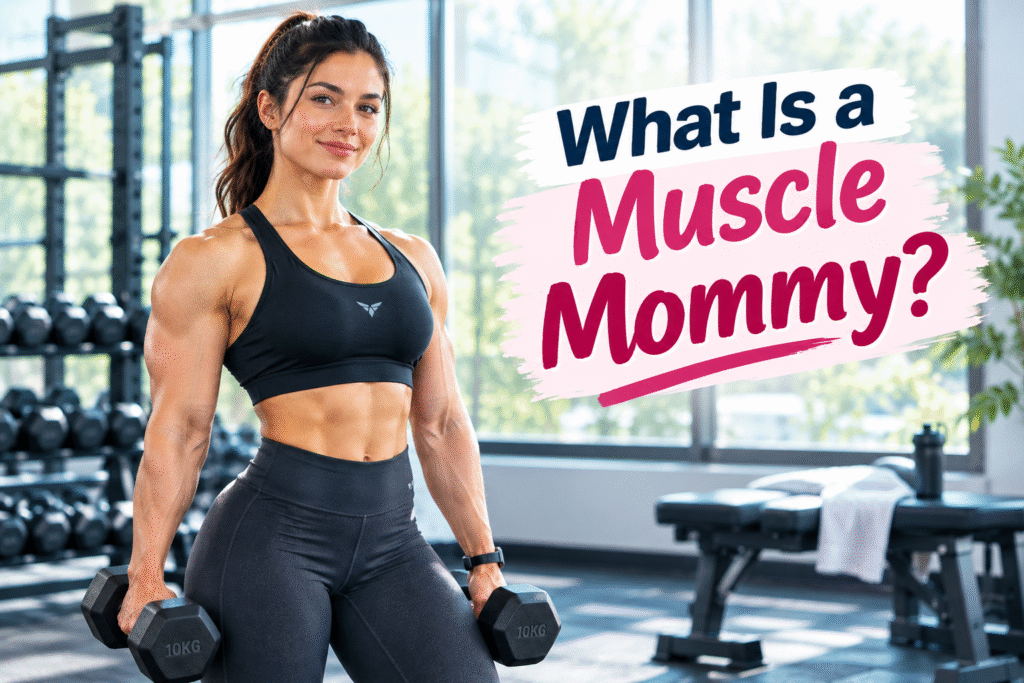
The term Muscle Mommy has become increasingly popular across fitness communities and social media. It is generally used to describe a woman who embraces strength training, muscle development, athletic performance, and a strong, confident physique. Rather than focusing only on being slim, the Muscle Mommy trend celebrates women who want to become stronger, build visible muscle, and feel confident in their bodies.
The phrase is informal and does not describe a specific body type, weight, or fitness level. A Muscle Mommy can be a professional athlete, a regular gym-goer, a beginner starting resistance training, or simply someone who enjoys developing strength. The common factor is a focus on becoming stronger and maintaining an active lifestyle.
What Is a Muscle Mommy?
A woman who places a high value on strength, fitness, and muscular growth is commonly referred to as a “Muscle Mommy.” In online fitness culture, the phrase has gained popularity, especially among women who like resistance training and weightlifting.
The appearance of muscularity varies from person to person. While some women may concentrate more on their legs, glutes, back, or general athletic development, others may build notable shoulders and arms. The development of a person’s body is influenced by a number of factors, including genetics, training history, diet, age, and personal objectives.
The term’s primary meaning goes beyond appearance alone. The Muscle Mommy lifestyle frequently revolves around strength, consistency, self-assurance, discipline, and a positive relationship with fitness.
Muscle Mommy: Strength, Fitness, and Confidence
Getting a certain look as soon as possible is not the goal of being a Muscle Mommy. It takes perseverance and steady work to gain muscle. The muscles are stimulated by resistance exercise, and the resources required for adaptation are provided by healthy eating and recuperation.
Challenging exercises, enough protein, enough nutrition, hydration, and restful sleep are all part of a sustainable strategy. It also entails realizing that progress can occur at varying rates.
It is more beneficial to monitor your own progress rather than comparing yourself to internet athletes or fitness influencers. Significant progress can be made by lifting a larger weight, doing more repetitions, honing your exercise technique, or increasing your workout consistency.
Why Are Muscle Mommies Popular?
The rise of strength training among women has coincided with the growth of the Muscle Mommy movement. Fitness information is now more widely available thanks to social media platforms, which enable users to share training regimens, exercises, changes, and inspirational content with sizable audiences.
The style appeals to a lot of women since it portrays strength as a desired quality. While strength-focused training places more emphasis on physical performance and capabilities, traditional beauty standards have frequently prioritized being slender.
Women may feel more at ease utilizing weights and resistance equipment as a result of this tendency. Many women now workout to increase strength, gain muscle, enhance sports ability, and feel physically capable rather than just to lose weight.
Social media should be used with caution, though. Online photos may require years of specialized skill, professional photography, lighting, posing, and editing. A person’s look on the internet does not always reflect what is realistically expected of them.
How Do You Build a Muscle Mommy Physique?
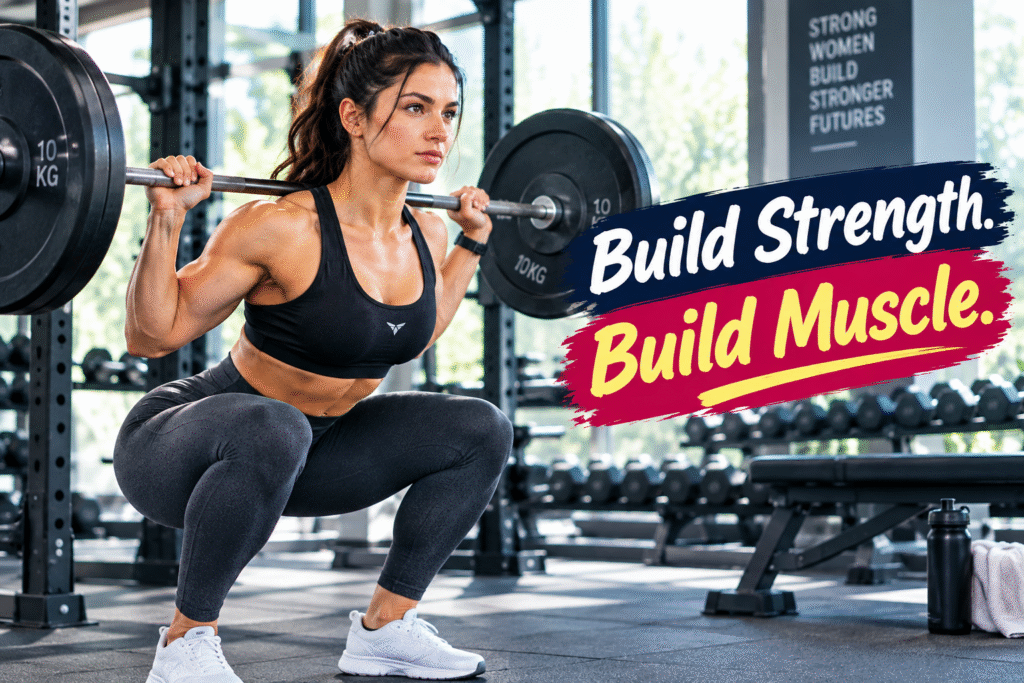
A planned resistance-training regimen is the first step toward developing a stronger and more muscular body. Complex exercises and very large weights are not necessary for beginners. An effective foundation can be created by learning appropriate movement patterns and progressively increasing training demands.
Squats, lunges, hip hinges, rows, presses, curls, and other exercises that target the main muscle groups are examples of exercises. Instead than concentrating only on one part of the body, a balanced program should often address the entire body.
Maintaining consistency is more crucial than switching up your workouts all the time. Giving your body ample time to adjust enables you to notice gains in performance and strength.
Resistance Training and Progressive Overload
One of the basic ideas of muscular growth is progressive loading. It entails progressively raising the strain on your muscles over time.
Increasing weight, doing more repetitions, adding sets, honing technique, expanding range of motion, or making an activity more difficult can all lead to progress.
For instance, a person who can effortlessly do ten repetitions of an exercise with a specific weight may eventually advance by raising the resistance or adding a new repeat. Goals and training experience determine the precise strategy.
Maintaining good technique should be a top goal. Excessive weight gain can impair form, reduce the effectiveness of training, or raise the risk of injury. To learn proper technique, beginners could benefit from practicing with a certified fitness professional.
Nutrition for Muscle Growth
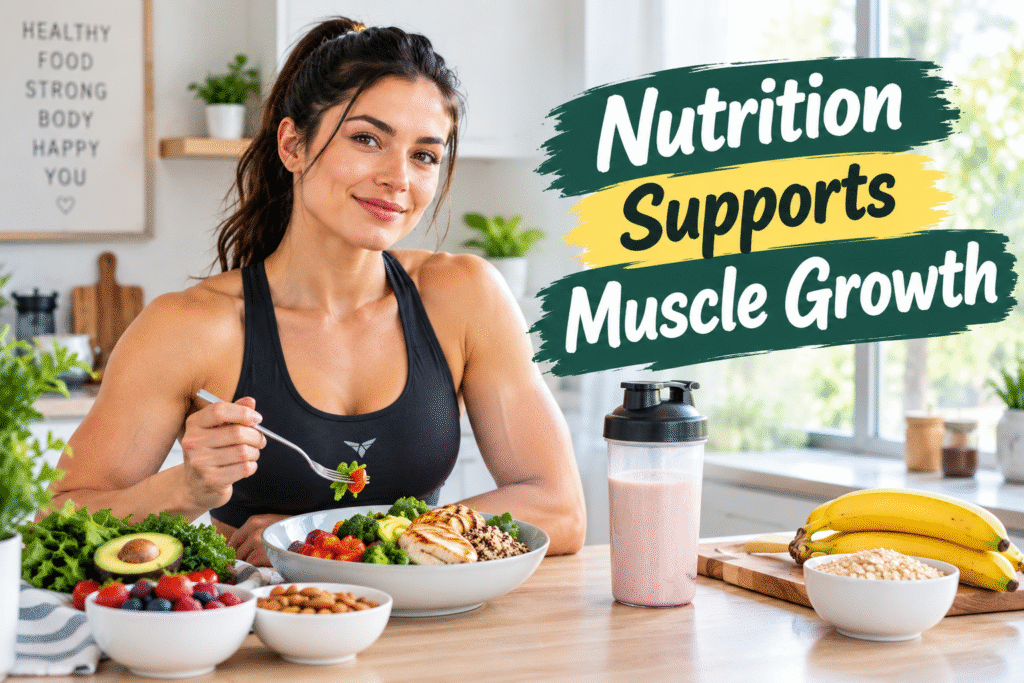
Muscle growth is stimulated by exercise, but diet is a crucial auxiliary factor. For the body to sustain regular physiological processes and recuperate from exercise, it requires sufficient energy and nutrients.
Because it provides the amino acids needed for the production of muscle proteins, protein is very vital. Eggs, dairy products, fish, chicken, lean meats, soy products, beans, lentils, and other foods that contain protein are examples of foods that are high in protein.
While dietary fats contribute to general nutrition and support vital body functions, carbohydrates can also support training by supplying energy for activity.
It’s important to remember to stay hydrated. Normal physical performance can be supported by consuming adequate fluids throughout the day, especially in hot weather or during strenuous workouts.
A sustainable strategy typically emphasizes balanced meals, sufficient protein, nutrient-rich foods, and an overall eating pattern that can be sustained over time, as opposed to extreme diets.
Recovery Is Part of Muscle Building
Exercise frequency alone does not cause muscles to expand. A crucial step in the process is recovery. The body need time and resources to heal and adjust following resistance training.
In between demanding activities, rest days can assist regulate fatigue and provide muscles time to recuperate. Training intensity, exercise choice, fitness level, sleep, diet, and personal circumstances all affect how much recovery is appropriate.
Sleep and Rest Days
Another crucial element of recuperation is getting enough sleep. Getting enough sleep on a regular basis can help with energy levels, focus, physical recuperation, and workout performance.
Doing nothing all day is not the definition of rest. Depending on personal needs, light activities like walking, mobility exercises, or mild movement could be suitable in between strenuous workouts.
It’s crucial to pay attention to your body. Unusual discomfort, persistent fatigue, deteriorating performance, or trouble recovering could be signs that training volume or intensity needs to be changed.
Can Supplements Support Muscle Growth?
Although they can be helpful in some circumstances, supplements cannot take the place of appropriate exercise and diet. Resistance training, a healthy diet, recuperation, and consistency continue to be the cornerstones of muscle growth.
For those who struggle to obtain enough protein from regular meals, protein powder can be a simple option. Another extensively researched sports substance that can help many people perform better during high-intensity exercise is creatine.
But each person has different demands when it comes to supplements. Individual dietary needs, training objectives, ingredients, serving size, and product quality should all be taken into consideration when choosing a product.
Additionally, it’s crucial to refrain from presuming that taking more supplements will inevitably result in greater outcomes. Before beginning new supplements, people who take medication, have medical issues, or are pregnant or nursing should consult a qualified healthcare provider.
Post-Workout Nutrition for Better Recovery
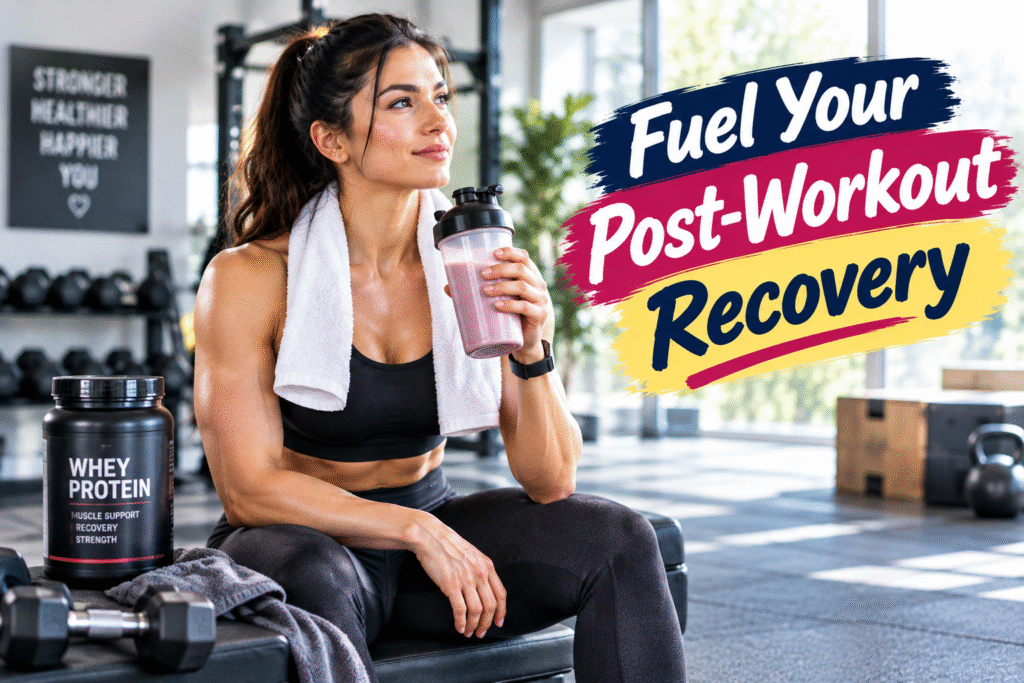
Many people search for an easy approach to replace nutrients after working exercise. When it includes protein, carbs, water, and other nutrients, a balanced meal can be a great choice.
A post-workout drink might be a handy substitute for individuals who are too busy or unable to eat right away after working out. Protein, carbs, electrolytes, and other nutrients may be present, depending on the product.
Instead of taking the place of wholesome meals, a post-workout beverage should enhance a balanced diet. A person’s dietary choices, exercise requirements, past meals, and overall nutritional objectives all influence the optimal option.
Conclusion: Building Your Own Muscle Mommy Journey
The phrase “Muscle Mommy” refers to much more than just having noticeable muscles. It has evolved into a celebration of athleticism, strength, self-assurance, commitment to fitness, and dedication.
Gaining muscle takes time. There isn’t a single exercise program, diet, or product that can build muscle right away. Rather, consistent resistance training combined with proper diet, adequate protein, water, rest, and recuperation leads to long-term development.
When suitable, a high-quality muscle-supporting supplement may offer extra convenience for those who find it difficult to satisfy their nutritional needs through food alone. Meeting protein and nutritional requirements after exercise can also be facilitated by a handy post-workout beverage.
Most essential, you should center your fitness journey on your personal objectives rather than how you look. Concentrate on strengthening yourself, enhancing your performance, forming wholesome habits, and having fun. Regardless of how long you have been lifting weights or how new you are to strength training, consistency is always more important than chasing fast results.